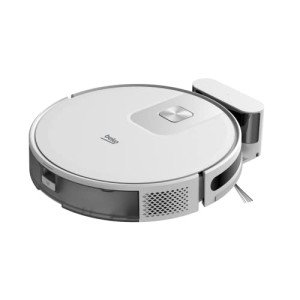
Introduction To The Intermediate Guide In Bagless Robot Vacuum
The Rise of Bagless Robot Vacuums: Revolutionizing Home Cleaning
Recently, home cleaning has developed substantially with advancements in innovation, particularly in the realm of vacuum. Among the most innovative modifications is the intro of bagless robot vacuums. These little, automated cleaning devices are designed to make keeping a clean home more efficient and user-friendly. This short article dives into the features, benefits, and considerations of bagless robot vacuums, assisting customers make informed choices about home cleaning solutions.
What is a Bagless Robot Vacuum?
Bagless robot vacuums are self-governing cleaning devices that run without the requirement for standard dust bags. Rather, they collect dirt and particles in an onboard container that can be emptied when complete. This design improves benefit, as users do not require to buy replacement bags or fret about disposal. They are especially appealing to those searching for a low-maintenance cleaning option.
Secret Features of Bagless Robot Vacuums
- Smart Navigation: Bagless robot vacuums use sensing units and algorithms to draw up a cleaning area, avoiding obstacles and efficiently covering surfaces.
- Arranging Capabilities: Many models enable users to set cleaning schedules, ensuring that floors are maintained even when house owners are away.
- Multiple Cleaning Modes: They might provide various cleaning modes for various jobs, such as spot cleaning, edge cleaning, and deep cleaning.
- Self-Charging: Most bagless robot vacuums can go back to their charging stations when their battery is low, ensuring they are always prepared for cleaning.
- Push-button control: Many models can be managed through smartphone apps, offering users with the ability to begin or stop cleaning sessions from another location.
The following table sums up some popular models of bagless robot vacuums and their specifications:
Model
Battery Life
Dustbin Capacity
Smart Features
Price
iRobot Roomba 675
90 minutes
0.6 liters
App control, voice assistant
₤ 299
Eufy RoboVac 11S
100 minutes
0.6 liters
One-touch control
₤ 219
Neato Botvac D7
120 mins
0.7 liters
Smart mapping, no-go lines
₤ 599
Roborock S6 Pure
150 mins
0.48 liters
App control, virtual barriers
₤ 399
Advantages of Bagless Robot Vacuums
Bagless robot vacuums use many advantages over standard vacuums and bagged models. Here are some key benefits:
- Cost-Effective: Without the need to acquire replacement bags, users can conserve money in the long term.
- Eco-Friendly: The lack of disposable bags means less waste created, making bagless choices a more eco-friendly choice.
- Effortless Maintenance: Many bagless models feature washable filters, minimizing upkeep hassles.
- Hassle-free Cleaning: Automated cleaning schedules and hands-free operation significantly minimize the time and effort needed for home cleaning.
- Advanced Features: Bagless robot vacuums frequently come equipped with modern-day innovation, providing various smart features and customization alternatives.
Factors to consider When Choosing a Bagless Robot Vac uum
While bagless robot vacuums provide a number of benefits, there are likewise prospective downsides to think about. Here are some factors consumers must take into account:
- Dustbin Capacity: Bagless vacuums require frequent emptying, especially in families with family pets or high traffic. Buyers need to think about dustbin size relative to their cleaning frequency.
- Suction Power: Not all designs use the same suction abilities. Customers must look for vacuums with strong suction for effective cleaning on numerous surface areas.
- Noise Level: Some models may be louder than traditional vacuums. Noise level can be an essential element, particularly in settings where quiet operation is wanted.
- Floor Types: Users need to validate that the vacuum is appropriate for their floor covering mix, such as carpet, hardwood, or tile.
- Maintenance: Bagless robot vacuums may need regular maintenance, consisting of cleaning brushes and filters, to maintain optimum performance.
FAQs about Bagless Robot Vacuums
Q1: How frequently should I empty the dustbin of a bagless robot vacuum?
A1: It is recommended to empty the dustbin after every cleaning session, particularly if you have family pets or high traffic areas. Keeping the dustbin less than full makes sure optimum suction and efficiency.
Q2: Can bagless robot vacuums effectively clean carpets?
A2: Yes, many bagless robot vacuums are developed specifically for carpets and have adjustable suction modes for different floor types. However, it is important to inspect producer specs for carpet cleaning capabilities.
Q3: Are bagless robot vacuums ideal for pet hair?
A3: Many models are developed with powerful suction and specialized brushes to efficiently pick up pet hair. Customers must try to find vacuums particularly marketed as pet-friendly for optimal efficiency.
Q4: How long do bagless robot vacuums generally last?
A4: The life-span of a bagless robot vacuum can vary, but many models last in between 3 to 5 years with appropriate care and upkeep.
Q5: Is it essential to replace filters in a bagless robot vacuum?
A5: Yes, the majority of bagless robot vacuums have filters that need to be changed or cleaned periodically. This upkeep assists maintain suction and enhances air quality.
Bagless robot vacuums have transformed the landscape of home cleaning, supplying efficient, affordable, and eco-friendly options for maintaining cleanliness. With functions that improve user experience, these smart devices offer a practical option to conventional vacuum cleaners. When choosing a bagless robot vacuum, customers need to consider their particular cleaning needs and choices, as well as the vacuum's capabilities, to discover the ideal design for their home. As innovation continues to advance, the capabilities of bagless robot vacuums are likely to develop even more, making them a much more valuable addition to contemporary families.